Hire an Expert : 040 4000 049 | 040 4000 094

Unlocking Creativity Through Nature and Play
Building upon the foundational insights in The Psychology of Relaxation: Nature, Games, and Economy, this article explores how natural environments and playful interactions serve as powerful catalysts for creative development. Recognizing that relaxation and mental well-being are deeply intertwined with creative capacity, we delve into how engaging with nature and play can foster innovative thinking, supported by neuropsychological research and practical strategies.
1. The Role of Play in Enhancing Creative Thinking within Natural Environments
Play in natural settings is more than mere recreation; it is a vital process that stimulates neural pathways associated with creativity. When children and adults alike engage in playful interactions—climbing trees, building with natural materials, or exploring wilderness—they activate brain regions linked to divergent thinking and problem-solving. For instance, spontaneous play, such as improvising a game with found objects, tends to encourage flexible thinking and innovation, whereas structured activities, although beneficial, often limit the scope for creative exploration.
Research by developmental psychologists highlights that spontaneous play in nature enhances cognitive flexibility and emotional resilience. Case studies, such as outdoor nature therapy programs for children with developmental delays, demonstrate significant improvements in creative problem-solving skills when participants are encouraged to explore and manipulate their environment freely.
2. Neuropsychological Foundations of Creativity in Nature and Play
Immersive natural experiences activate key brain regions, including the prefrontal cortex, responsible for planning and abstract thinking, and the temporal lobes, involved in sensory integration. Functional MRI studies reveal that exposure to natural environments reduces activity in the amygdala, decreasing stress levels and creating a mental state conducive to creative insights.
Sensory engagement—such as the tactile feel of soil, the sound of flowing water, or the sight of diverse flora—stimulates divergent thinking by encouraging new associations and ideas. This sensory richness fosters a mental state that combines relaxation with mental stimulation, a balance crucial for breakthrough innovations. As psychologist Susan Cain notes, "The most creative individuals often seek environments that allow their minds to wander freely, which natural settings naturally facilitate."
3. Environmental Features that Foster Creative Expression
Diverse natural landscapes—such as forests, wetlands, and mountains—offer varied stimuli that inspire fresh perspectives. A landscape's complexity challenges individuals to adapt and find novel solutions, fostering creative resilience. Design elements like open clearings, meandering paths, and varied textures promote open-ended exploration and experimentation.
Creating personal or community spaces that integrate playful elements—such as outdoor art installations, flexible seating, or natural obstacle courses—can significantly enhance creative engagement. For example, urban parks that incorporate natural features and interactive installations provide accessible venues for spontaneous play and idea generation, bridging the gap between natural and built environments.
4. Cultural and Social Dimensions of Play and Creativity in Natural Contexts
Cultural attitudes towards nature shape how communities perceive and utilize natural spaces for creative pursuits. Indigenous cultures, for instance, often see nature as a living resource and a source of inspiration, integrating ecological knowledge into their artistic and technological innovations. This traditional ecological knowledge (TEK) serves as a creative resource that sustains biodiversity and cultural resilience.
Social play, including communal activities such as festivals, storytelling, or collaborative craft-making in natural settings, fosters social bonds and collective innovation. These interactions often lead to shared problem-solving and community-driven creative projects, illustrating how social dynamics amplify individual creative capacities.
5. Practical Strategies for Cultivating Creativity through Nature and Play
Integrating playful activities into daily routines can significantly enhance creative thinking. Simple practices include taking regular nature walks with a sketchbook, engaging in outdoor journaling, or setting up “wild play” zones at home or in schools. Techniques such as mindfulness in natural settings—focusing on sensory experiences—can deepen engagement and open pathways for creative insights.
Designing environments that facilitate playful exploration involves creating flexible spaces, both urban and rural. Urban parks with natural features, community gardens, or even rooftop green spaces can serve as accessible venues for spontaneous experimentation, fostering a culture of innovation rooted in natural engagement.
6. Overcoming Barriers to Unlocking Creativity in Natural Settings
Fears or misconceptions about play—such as concerns over safety or perceived childishness—can hinder engagement. Education campaigns emphasizing the cognitive and emotional benefits of playful exploration help shift perceptions. Additionally, strategies for inclusivity—such as designing accessible pathways and providing adaptive equipment—ensure that everyone can participate regardless of physical ability or age.
Environmental constraints, like urban congestion or personal limitations, can be mitigated by community initiatives that transform underused spaces into playful natural environments. Encouraging small-scale, manageable activities—like local nature scavenger hunts—can sustain long-term creative engagement.
7. Connecting Creative Processes Back to Relaxation and Economic Benefits
Engagement with nature and play reduces stress, as evidenced by numerous studies showing decreased cortisol levels after outdoor activities. This relaxation fosters mental clarity and resilience, essential for sustained creative output. Furthermore, nurturing creativity through natural environments has significant economic potential, including job creation in eco-tourism, outdoor education, and green design sectors.
Integrating natural and playful experiences into educational and workplace settings enhances productivity by promoting innovative thinking and problem-solving skills. Companies that encourage outdoor brainstorming sessions or nature-inspired team-building activities often report higher employee satisfaction and creative output.
8. Conclusion: Bridging Creativity, Relaxation, and Socioeconomic Growth
In summary, natural environments and playful interactions are not merely sources of leisure but are essential catalysts for creative development and psychological well-being. As detailed in The Psychology of Relaxation: Nature, Games, and Economy, fostering environments that support both relaxation and innovation can lead to broader socioeconomic benefits. By bridging the gap between mental health, creativity, and economic resilience, we cultivate communities that thrive on the synergy of nature and play, unlocking human potential at every level.
Unlocking Creativity Through Nature and Play Faults
Common Faults
Let our trained and experienced engineers diagnose your appliance issue and provide you with a complete fault assessment report.
Why Choose Us
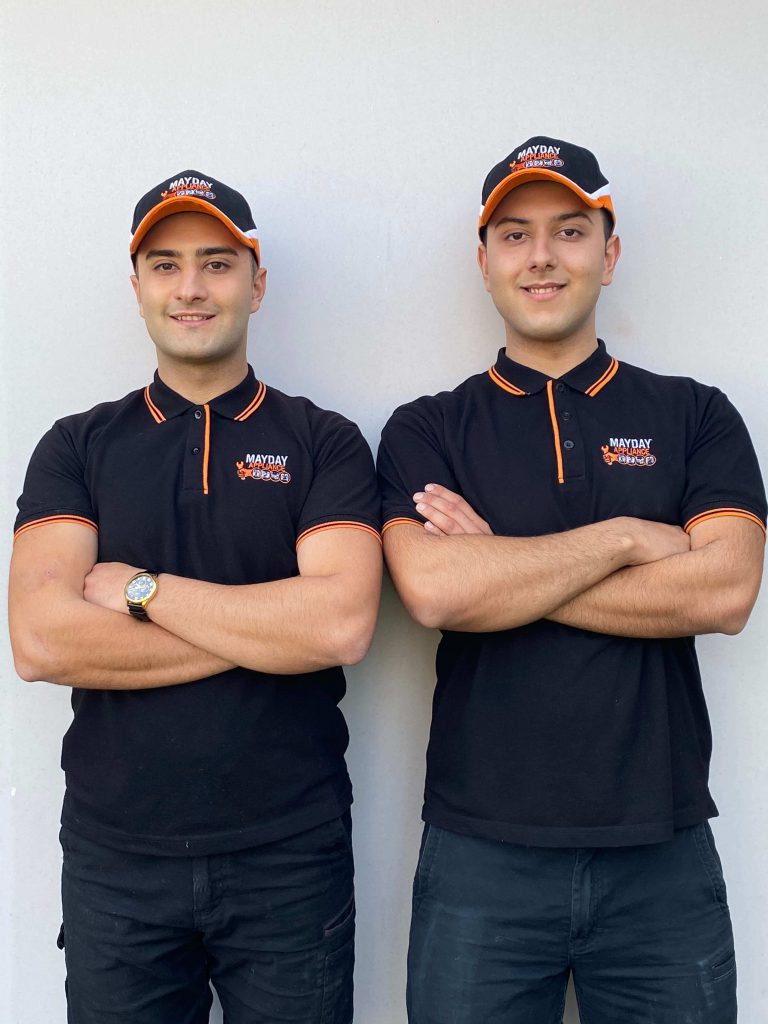
That's a good question, and we believe we have the most persuasive answer. Mayday Appliance technicians are committed to keeping our customers happy, which is why we'll always offer you our top services at the most affordable rates. We work closely with our clients to ensure their needs are met and they are left feeling 100% pleased with our service.
Unlike other companies, we don't urge you to replace your appliances, instead, we take all the required steps to provide you with effective solutions to your appliance issues. When you work with our technicians, you can trust that your appliance technician will look after your appliance and home with the uttermost respect and care and deliver superior services.

Copyright © 2021. All rights reserved.